Whale Watching in Depoe Bay: A Guide to Resident & Migrating Gray Whales
Depoe Bay isn't called the Whale Watching Capital of the Oregon Coast by accident. Learn when to spot migrating gray whales, meet the resident whales that spend their summers here, and discover the best places to watch them from shore.
Whale Watching in Depoe Bay: Resident & Migrating Gray Whales
There are few things more exciting than seeing a whale rise from the Pacific Ocean.
A puff of mist on the horizon. A dark back rolling through the water. The flash of a tail before it disappears beneath the surface.
While whale watching is popular all along the Oregon Coast, Depoe Bay is something special. It is one of the few places where visitors have a real chance to see gray whales during much of the year.
Why Depoe Bay Is Called the Whale Watching Capital
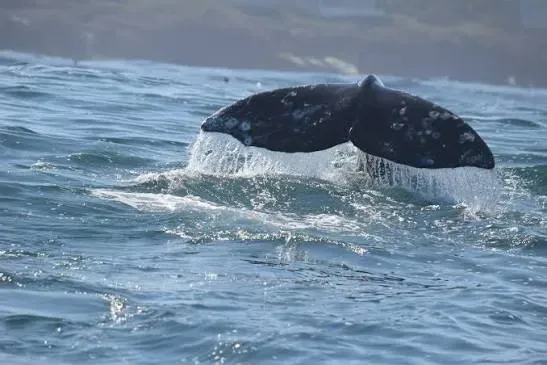
Depoe Bay has earned its reputation as the Whale Watching Capital of the Oregon Coast because whale sightings happen here far more often than many first-time visitors expect.
Every winter and spring, gray whales migrate along the Oregon Coast as they travel between the warm lagoons of Baja Mexico and northern feeding grounds. Then, as many migrating whales continue north, a smaller group of gray whales spends the summer and fall feeding along the central Oregon Coast.
That combination gives Depoe Bay something special: migration seasons with dramatic whale movement, plus summer and fall opportunities to watch whales feeding close to shore.
Meet the Summer Resident Gray Whales
One of the best things about whale watching in Depoe Bay is that not every whale you see is simply passing through.
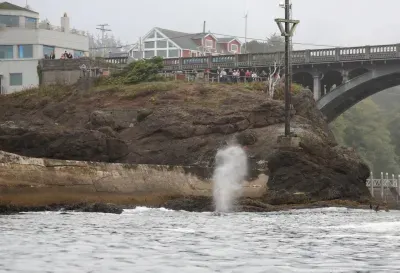
A group of gray whales returns to the Oregon Coast during the summer and fall to feed. These whales are often called resident gray whales, though they are still wild, wide-ranging animals. Many are part of what researchers call the Pacific Coast Feeding Group.
Instead of traveling all the way to far northern feeding grounds, these whales spend time feeding along the rocky reefs, kelp beds, and nearshore waters of the Pacific Northwest. Around Depoe Bay, they may be seen surprisingly close to shore when food conditions are right.
Local whale experts and naturalist captains often recognize individual returning whales by markings, behavior, and repeated seasonal appearances. That makes a summer whale watching trip here feel more personal than many visitors expect.
Migrating Gray Whales: Winter and Spring
The great gray whale migration is one of the most impressive wildlife events on the West Coast.
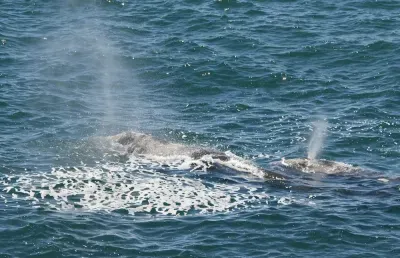
In winter, gray whales travel south along the Oregon Coast toward the warm lagoons of Baja Mexico. This southbound migration is usually strongest from mid-December through mid-January, with whale activity often continuing into January.
In spring, the whales return north toward colder feeding waters. The northbound migration begins around late March and can continue into June. Spring can be especially rewarding because mothers and calves often travel more slowly and may be closer to shore.
If your goal is to watch whales actively traveling along the coastline, winter and spring are the classic migration seasons to plan around.

Summer and Fall: Feeding Whales Close to Shore
Summer whale watching in Depoe Bay is different from migration watching—and that is part of what makes it so special.
Instead of scanning for whales traveling past the coast, visitors may spot gray whales feeding in local waters. These whales are often looking for small ocean creatures that gather near rocky reefs and kelp beds.
Because feeding areas can be close to shore, summer and fall sightings can feel surprisingly intimate. You may see a whale surface, blow, roll, or feed while standing along the seawall or watching from a nearby viewpoint.
Like all wildlife viewing, sightings are never guaranteed. But from late spring through fall, Depoe Bay is one of the best places on the Oregon Coast to try.
Best Places to Watch Whales From Shore
Depoe Bay Seawall
The Depoe Bay seawall is one of the easiest whale watching spots on the coast. You can park, walk downtown, grab coffee or lunch, and keep your eyes on the horizon. On good days, whales can be spotted without ever leaving town.
Depoe Bay Whale Watching Center
The Whale Watching Center is a great first stop, especially for families and first-time visitors. The viewing area looks straight out over the ocean, and staff or volunteers may be available to help visitors spot whales and understand what they are seeing.
Boiler Bay State Scenic Viewpoint
Just north of Depoe Bay, Boiler Bay offers a higher viewpoint and wide-open ocean views. It is a favorite place for scanning the water for spouts, especially during migration seasons.
Rocky Creek State Scenic Viewpoint
South of Depoe Bay, Rocky Creek gives visitors another beautiful place to watch the coastline. Bring binoculars, dress for wind, and take your time.
Whale Cove and Otter Crest
The stretch between Depoe Bay and Newport is full of dramatic viewpoints, quiet pullouts, and rocky shoreline. Patient whale watchers are often rewarded simply by slowing down and watching the water.
How to Spot a Whale
Whale watching is easier when you know what to look for.
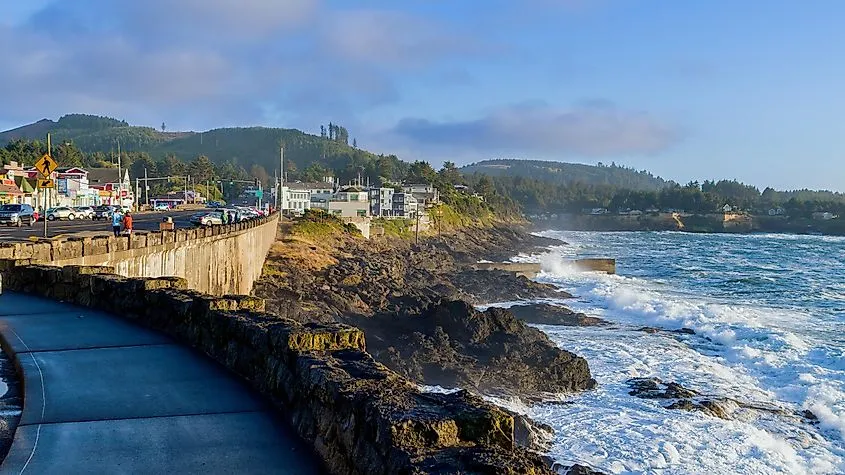
Start by scanning slowly across the ocean rather than staring at one spot. Look for a blow first—the misty puff of air that appears when a whale surfaces to breathe. After the blow, you may see the whale’s back, a smooth roll, or sometimes a fluke before it dives.
Binoculars help, but they are not always required. In Depoe Bay, whales can sometimes be close enough to spot with the naked eye, especially during summer and fall feeding season.
The biggest tip: be patient. Many visitors look away too soon. Watch the water for several minutes, follow the birds, and pay attention when other people suddenly point toward the ocean.
Should You Take a Whale Watching Charter?
Watching whales from shore is wonderful, but seeing a whale from the water can be unforgettable.
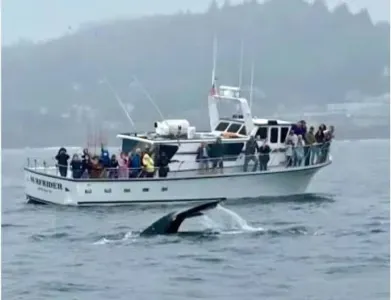
Depoe Bay has several whale watching charters that leave directly from the harbor. Local captains know the coastline, the conditions, and the behavior patterns of returning whales. A charter is a great choice if you want a closer experience, better photo opportunities, or a more educational trip.
Whale Research EcoExcursions
Whale Research EcoExcursions is a great option for guests who want a more educational whale watching trip. Their tours focus on gray whale behavior, local whale research, and the resident whales that return to the Depoe Bay area.
Visit Whale Research EcoExcursions
Address: 234 South East Highway 101, Depoe Bay, OR 97341
Phone: 541-912-6734
Tradewinds Charters
Tradewinds Charters is one of Depoe Bay’s longtime charter companies, offering whale watching trips along with fishing charters and other ocean tours from the harbor.
Address: 118 South Hwy 101, Depoe Bay, OR 97341
Phone: 541-765-2345
Dockside Charters
Dockside Charters also offers whale watching tours from Depoe Bay and is another popular choice for visitors who want to get out on the water and experience the coast from a different perspective.
Address: 270 SE Coast Guard Dr, Depoe Bay, OR 97341
Phone: 541-765-2545
Shore watching is perfect for a relaxed day, while a charter can give you a closer look at the whales, harbor, and dramatic coastline. Many visitors do both.
Other Marine Life You Might See
Whales may be the headline, but they are not the only wildlife worth watching.
Depending on the season and conditions, visitors may also spot sea lions, harbor seals, harbor porpoises, pelicans, seabirds, and occasionally other whale species. The Oregon Coast is full of surprises, which is part of what makes every visit feel different.
Where to Stay Near Depoe Bay Whale Watching
After a day spent watching whales, there is nothing better than returning to a comfortable coastal retreat.
Staying in or near Depoe Bay keeps you close to the seawall, the harbor, scenic viewpoints, whale watching charters, and some of the most dramatic coastline on the Oregon Coast.
Pacific View Lodging offers Depoe Bay-area stays that make it easy to slow down, explore the coast, and keep an eye on the horizon throughout your trip.
Bring Binoculars and Watch the Horizon
Whale watching in Depoe Bay is part timing, part patience, and part luck—but that is exactly what makes it memorable.
Whether you are watching migrating gray whales in winter and spring or looking for summer residents feeding close to shore, this stretch of the Oregon Coast gives you a reason to slow down and look out across the Pacific.
Bring binoculars, dress for the breeze, and keep an eye on the horizon. In Depoe Bay, you never know when the next whale will appear.